One of the most important parts of music is beat and rhythm. Without beats, without rhythm, there’s no groove. Without a groove, there’s no movement or dancing or physically getting into the music. Beats and grooves are essential building blocks for so much of modern music. In some songs, the beat is subtle but there. You feel it without someone having to keep it for you. But in others, you need a timekeeper, someone to emphasize and augment the beats and the rhythms. For centuries, that job has fallen to drummers and percussionists. But what if a drummer or percussionist isn’t available? Or if you want to try something rhythmic but with different sounds, sounds that a drummer can’t make? Then you might find yourself reaching for a drum machine. Since their introduction in the very early 1980s, drum machines have become an essential part of modern compositions and productions. In fact, it’s impossible to imagine the music we have today without such electronic devices. Oh, we still have human drummers—we always will—but drum machines have taken us places that human timekeepers never could. And I’m speaking as someone who plays drums myself. But how did this all come about? Let’s investigate. This is the history of machines that keep time for our music. Songs heard on this show:
- Billy Idol, Eyes Without a Face
- Ultravox, Vienna
- Tears for Fears, Mad World
- Human League, Don’t You Want Me
- A Guy Called Gerald, Voodoo Ray
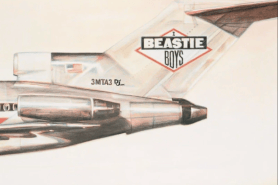
- Beastie Boys, Brass Monkey
- New Order, Blue Monday.
We have a playlist from Eric Wilhite. The Ongoing History of New Music can be heard on the following stations:
- 102.1 The Edge/Toronto – Sunday night at 7pm
- Q107/Toronto – Sunday night at 9pm
- Live 88-5/Ottawa – Saturdays at 9am and Sundays at 6pm.
- 107.5 Dave-FM/Kitchener – Sunday nights at 11pm
- FM96/London – Sunday nights at 8pm
- Power 97/Winnipeg – Sunday nights at 11pm
- Sonic 102.9/Edmonton – Sunday at 8am and 8pm
- The Zone/Victoria – Sunday at 8am and 9pm
- The Fox/Vancouver – Sunday at 11pm
- Surge 105/Halifax – Sunday at 7pm
- WAPS/WKTL The Summit/Arkon, Canton, Cleveland, Youngstown – Mon-Fri at 9pm
© 2023 Corus Radio, a division of Corus Entertainment Inc.






 Ad Choices